Complete History of the Vatican Museums
Follow the story of papal art patronage and the growth of one of the world’s most famous museums.
Table of Contents
Origins & Early Papal Collections
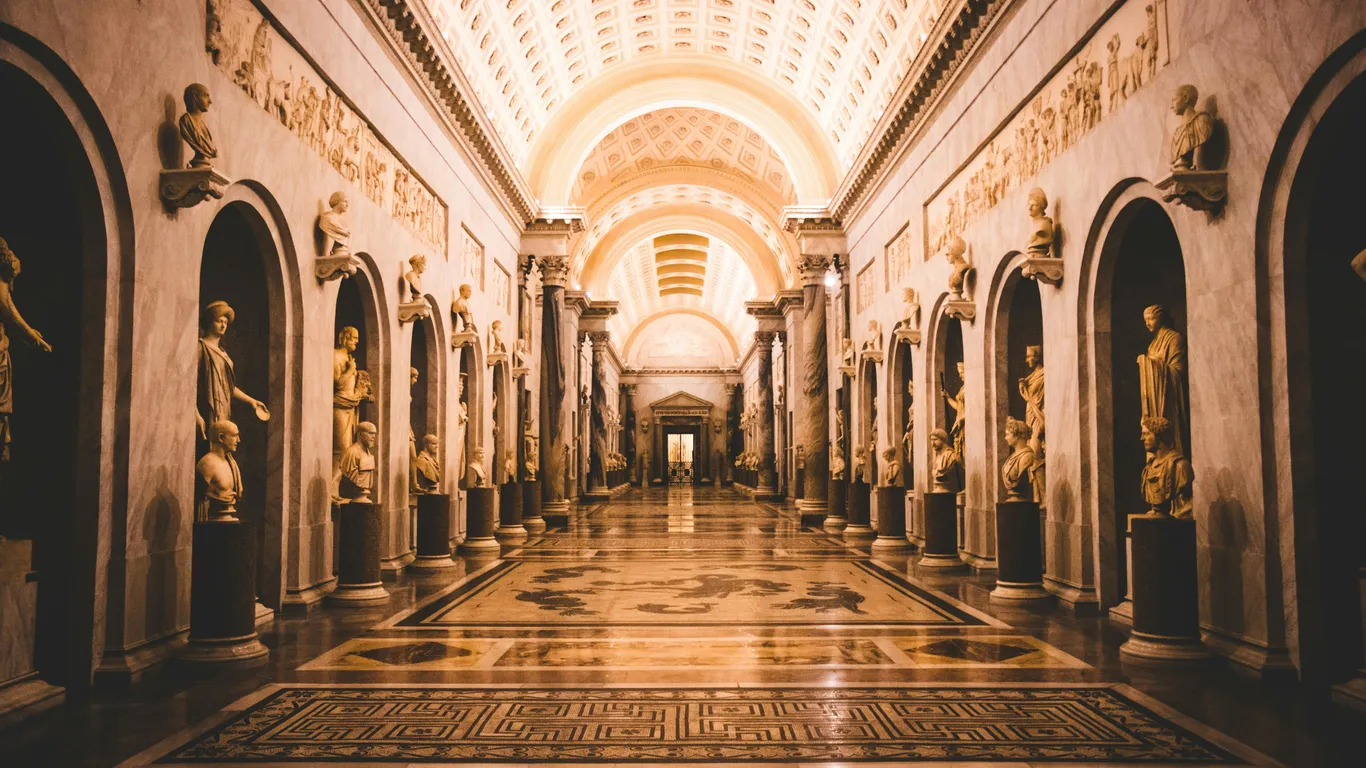
The Vatican’s collection began with ancient Roman sculptures collected by Popes in the 15th century, forming the nucleus of what would become the Vatican Museums.
These early acquisitions reflected the Church’s interest in classical antiquity and the Renaissance rediscovery of art and humanism.
Pope Julius II & the Beginning of the Museums
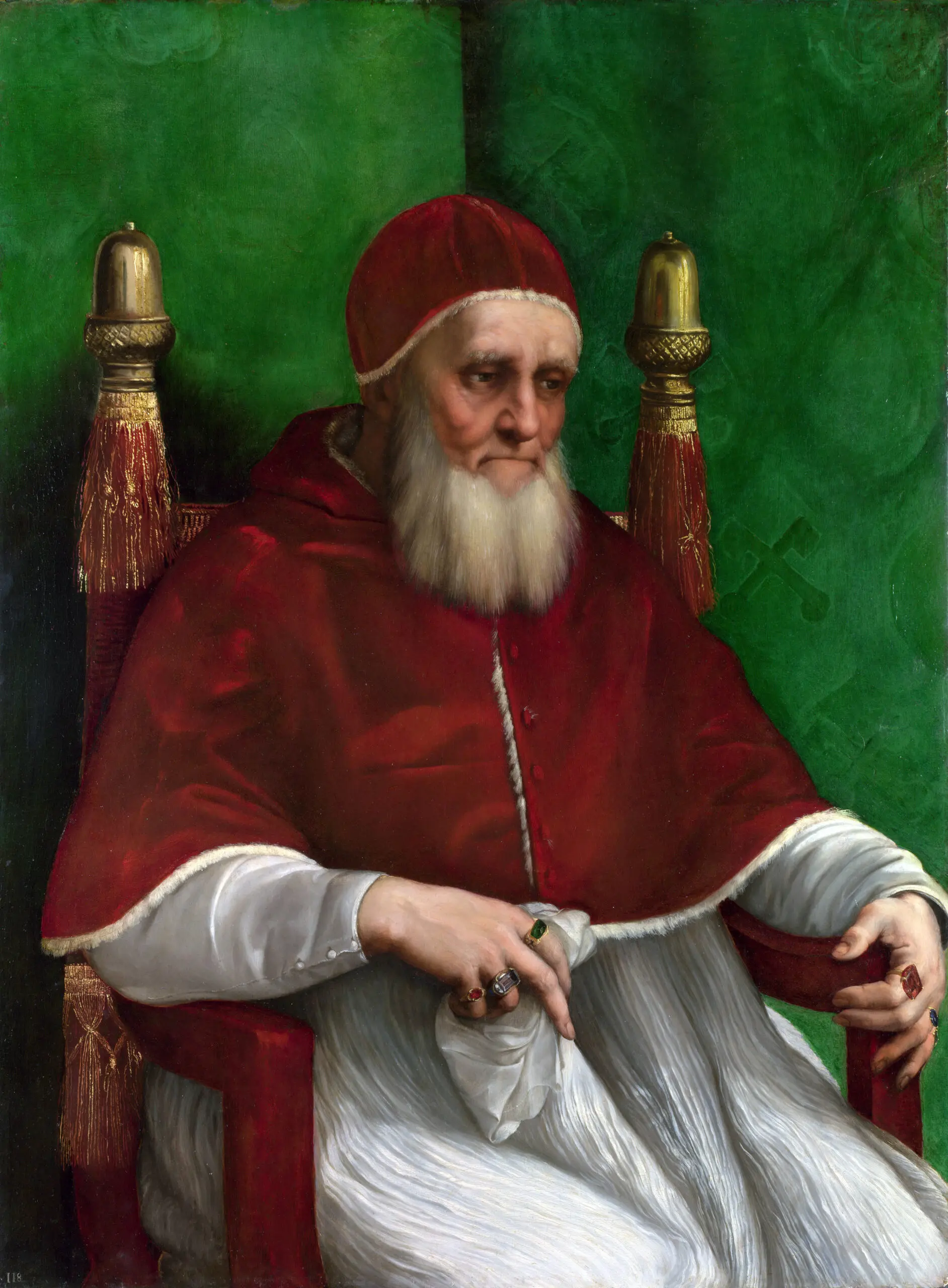
In 1506, Pope Julius II purchased the Laocoön and His Sons sculpture, marking the official start of the Vatican Museums.
He commissioned rooms and galleries to display art publicly for the first time, setting a precedent for papal patronage.
Renaissance Expansion & Michelangelo
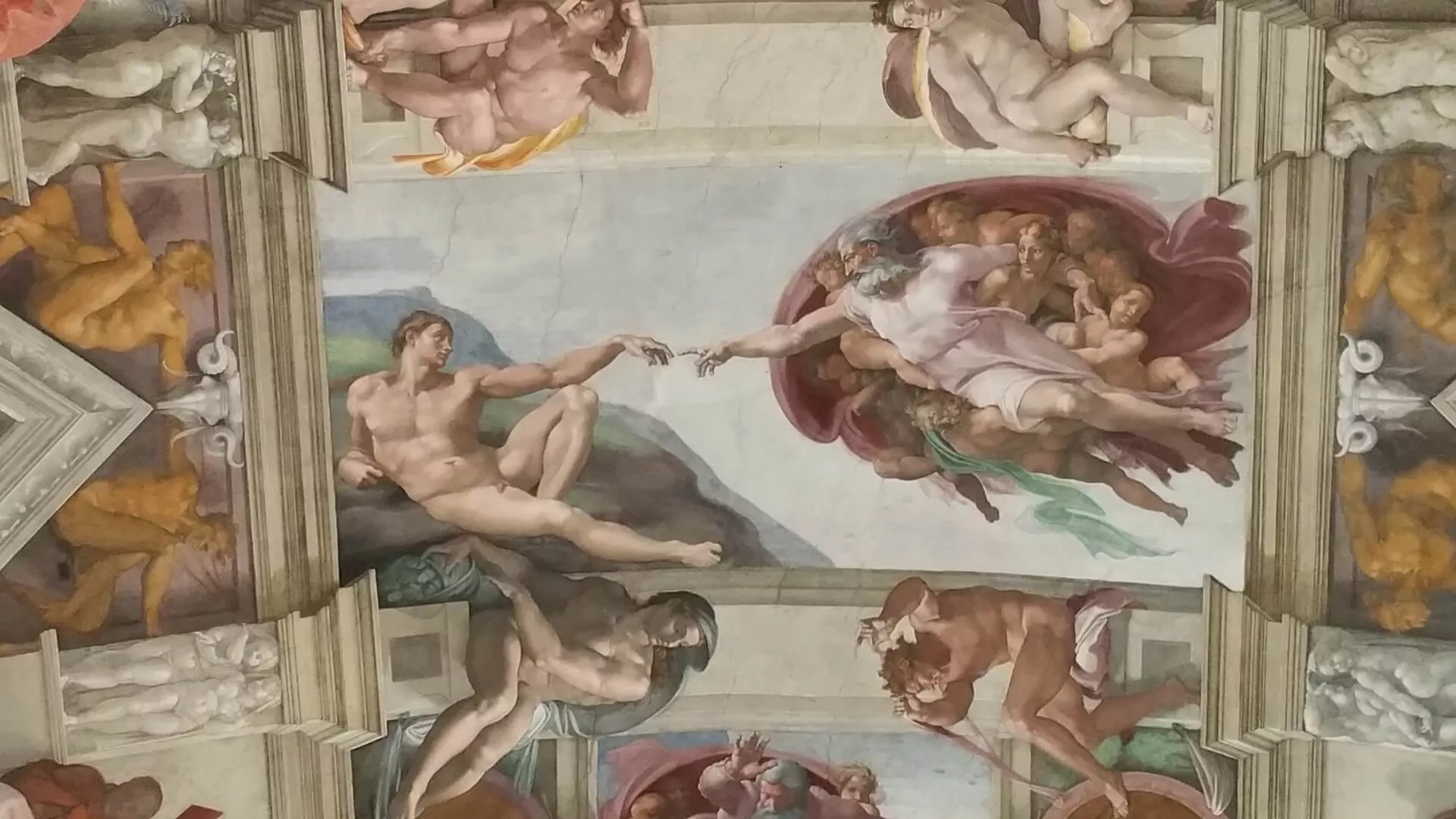
During the 16th century, the Vatican Museums expanded with commissions from Renaissance masters, including Michelangelo, whose ceiling frescoes became iconic.
Michelangelo’s work combined artistic innovation with spiritual symbolism, defining the Vatican’s global artistic reputation.
Raphael Rooms & Artistic Flourishing
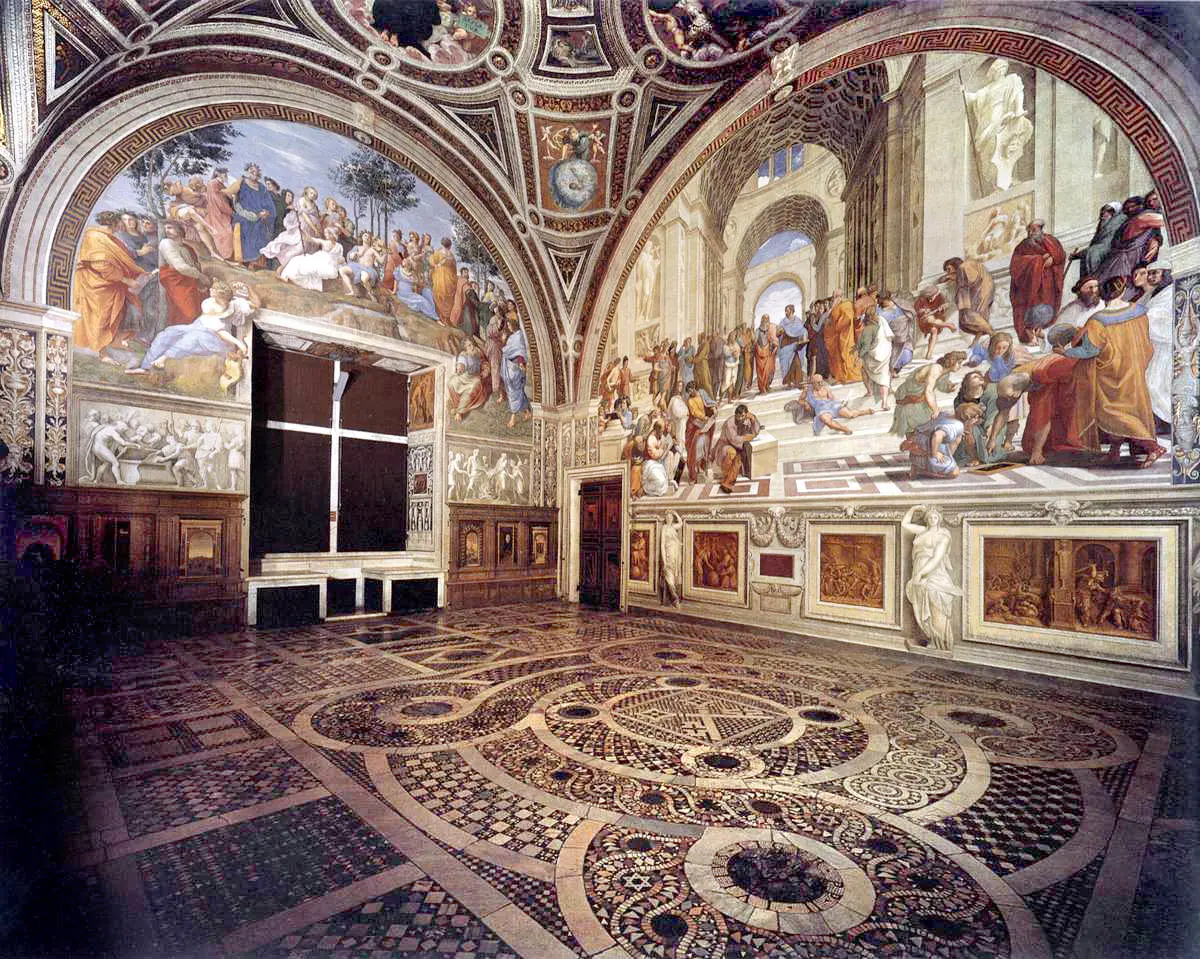
Raphael and his workshop decorated the papal apartments, creating masterpieces like The School of Athens.
These rooms exemplified Renaissance ideals, combining philosophy, art, and theology in a harmonious visual narrative.
Baroque and Modern Additions
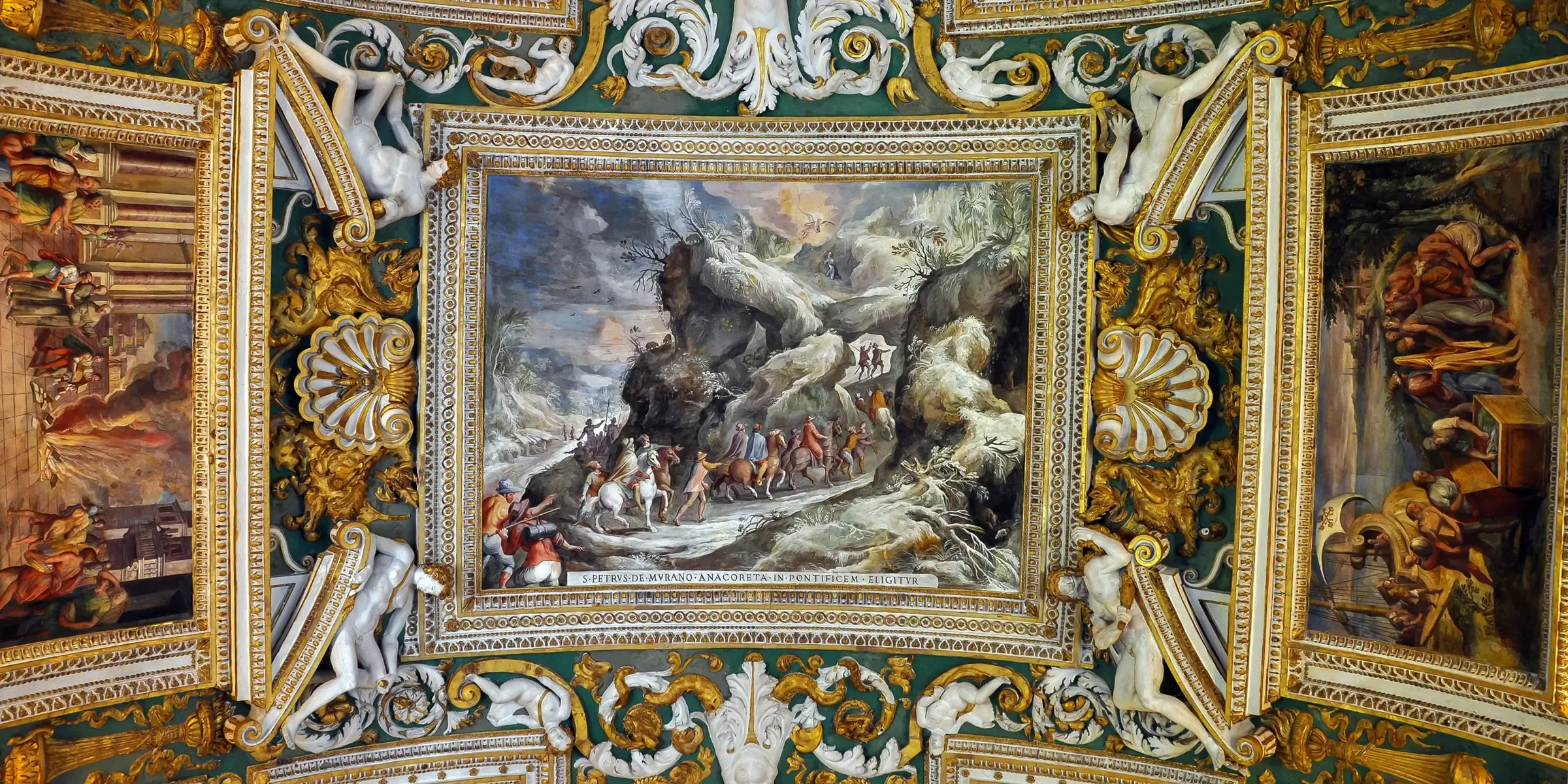
The museums grew over the centuries, adding Baroque galleries, modern religious art, and archaeological collections.
Papal commissions ensured continuous expansion and preservation of diverse artistic styles.
The Sistine Chapel Ceiling
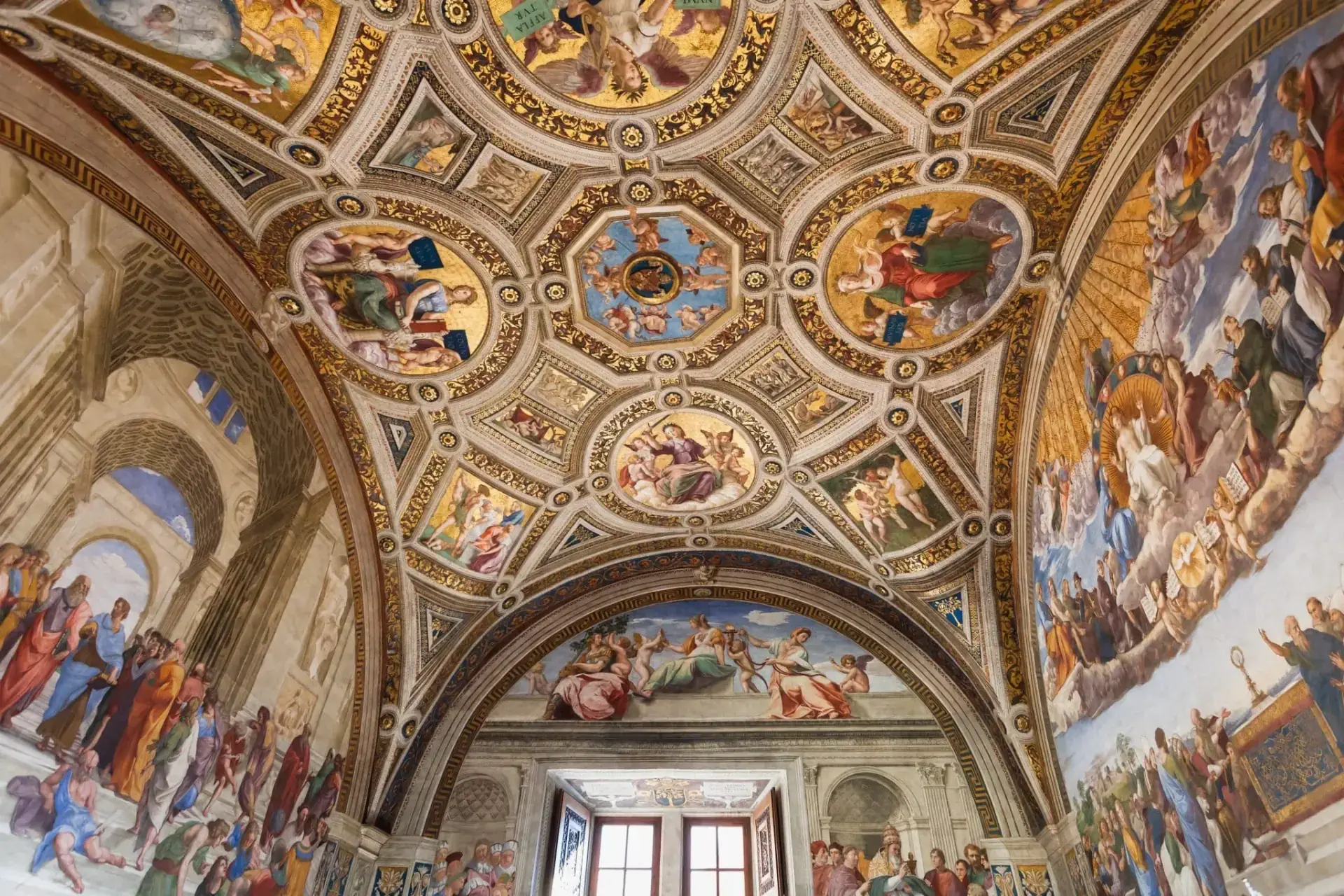
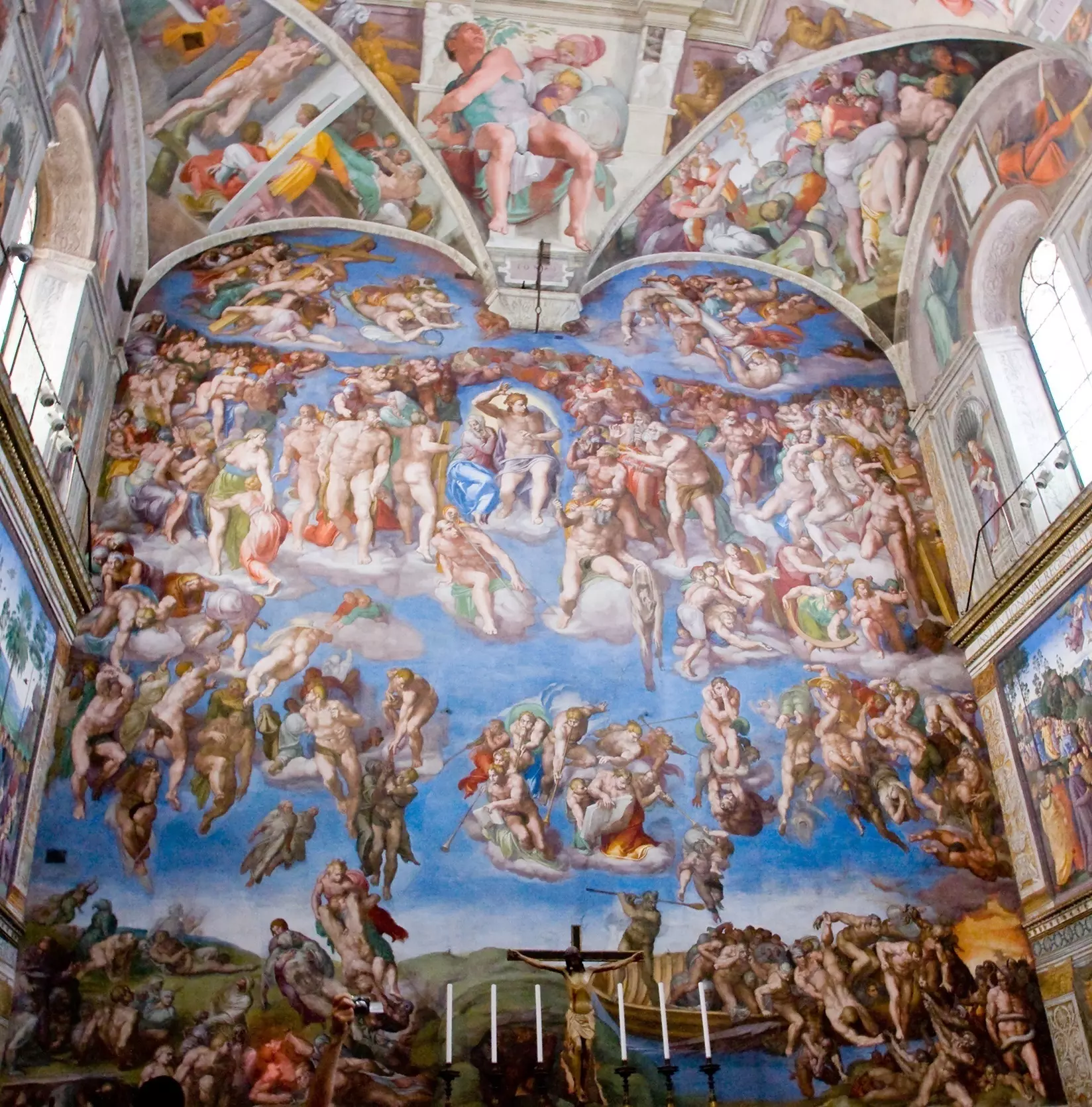
Michelangelo painted the Sistine Chapel ceiling between 1508–1512, depicting scenes from Genesis with unparalleled artistic mastery.
The ceiling remains a central attraction, drawing millions of visitors annually.
Napoleonic Era & Preservation Challenges
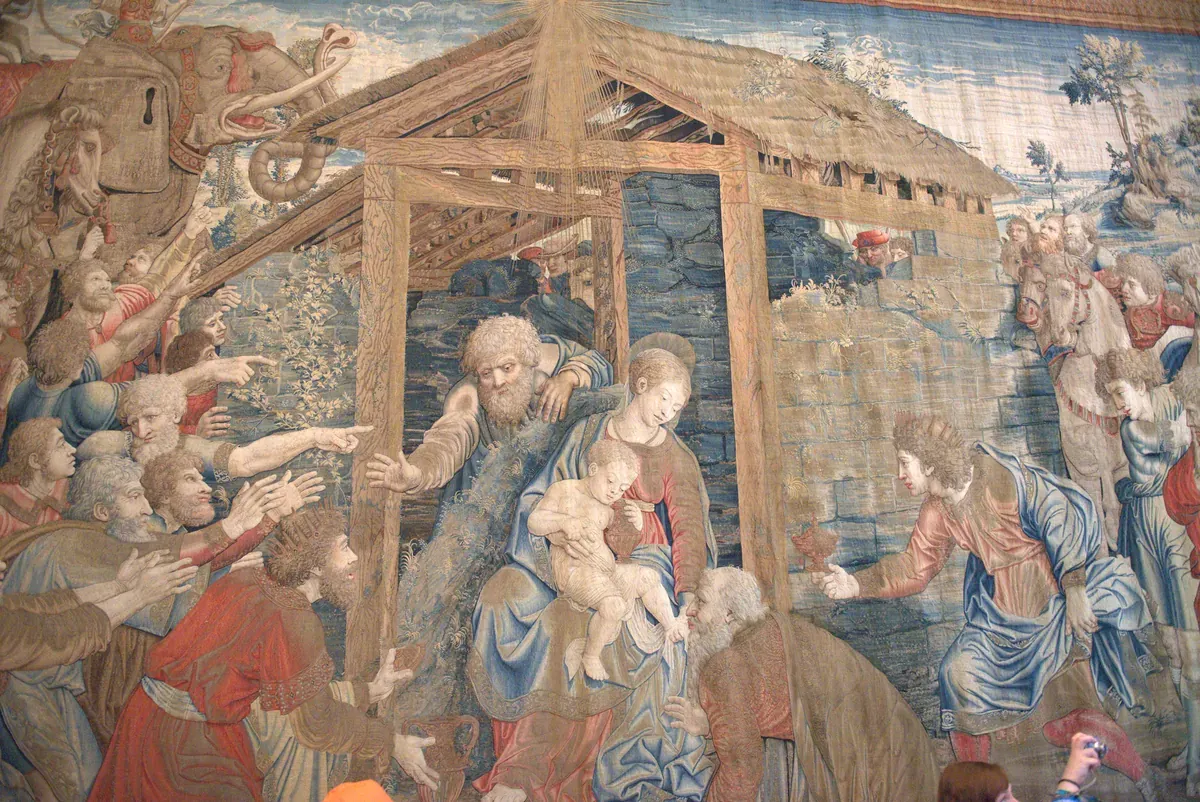
During Napoleon’s invasion, some artworks were looted, and the Vatican faced significant challenges in preserving its collection.
Restoration and repatriation efforts in the 19th century ensured the integrity of the museums.
19th-Century Restoration Efforts
The 19th century saw systematic cataloging, restoration, and architectural improvements to accommodate growing collections.
The museums opened to increasing numbers of visitors, transitioning into a modern cultural institution.
20th-Century Expansion
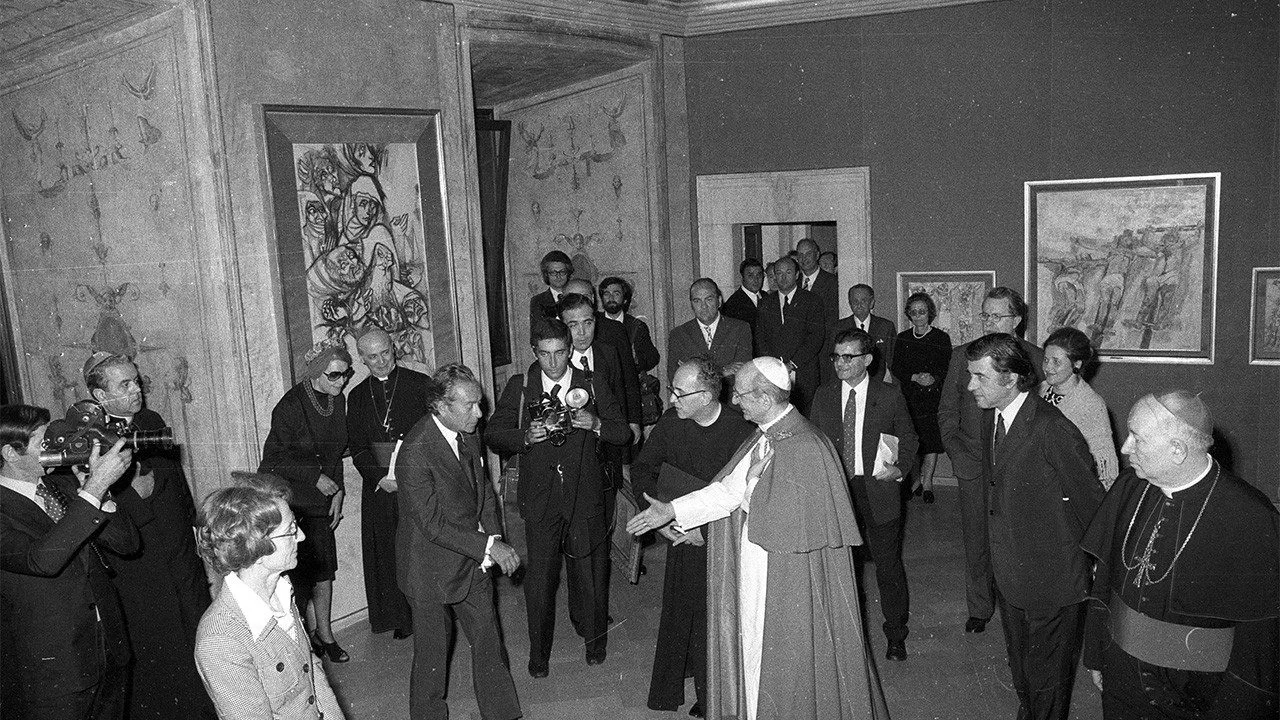
The 20th century brought new galleries, updated display techniques, and enhanced visitor services.
Key additions included ethnographic collections, Etruscan and Egyptian galleries, and educational programs.
Visitor Experience Evolution
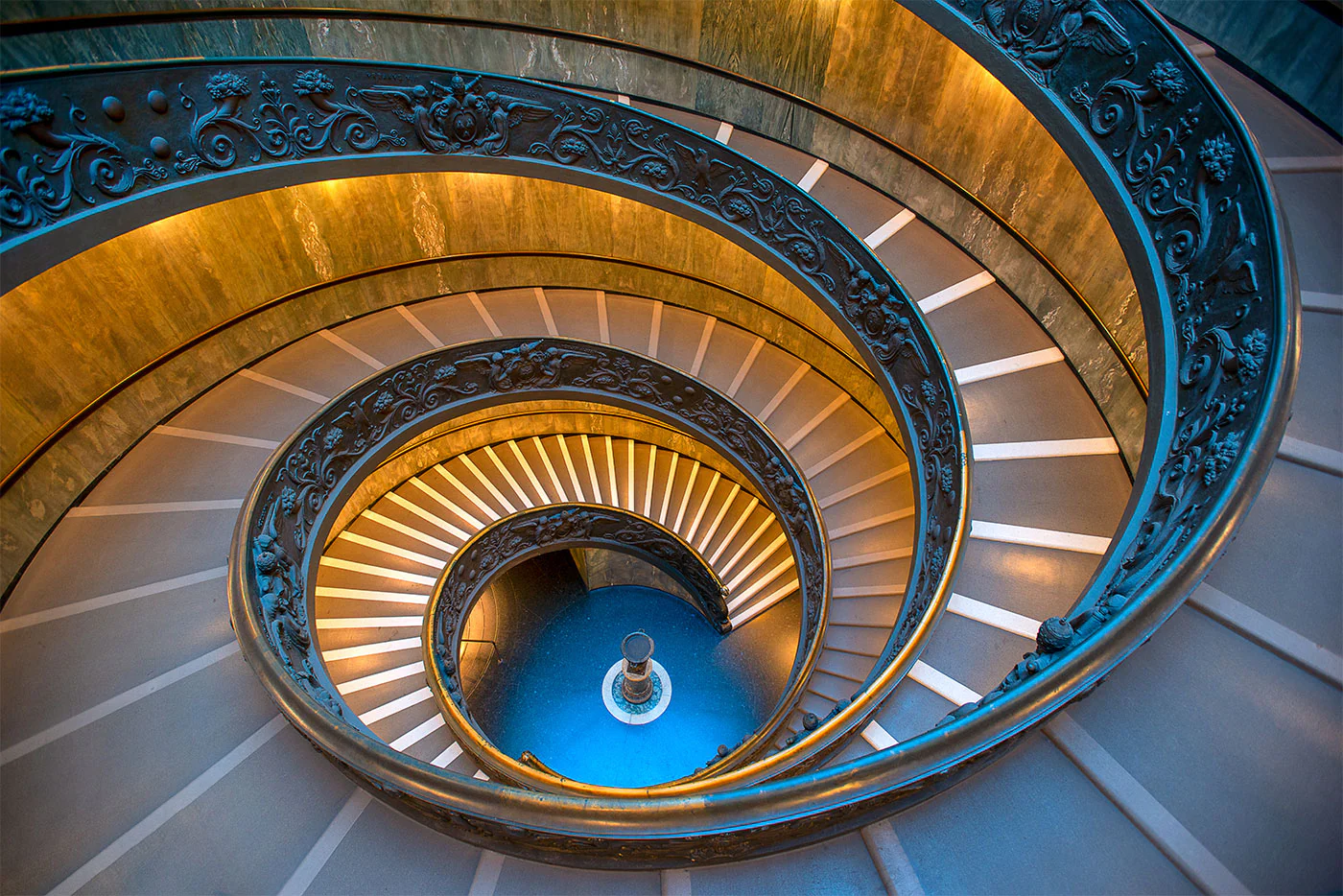
Visitor experience evolved with audio guides, signage, and organized tours, balancing accessibility with preservation.
Crowd management strategies were implemented to protect artworks and improve visitor flow.
Digital Preservation & Modern Technology
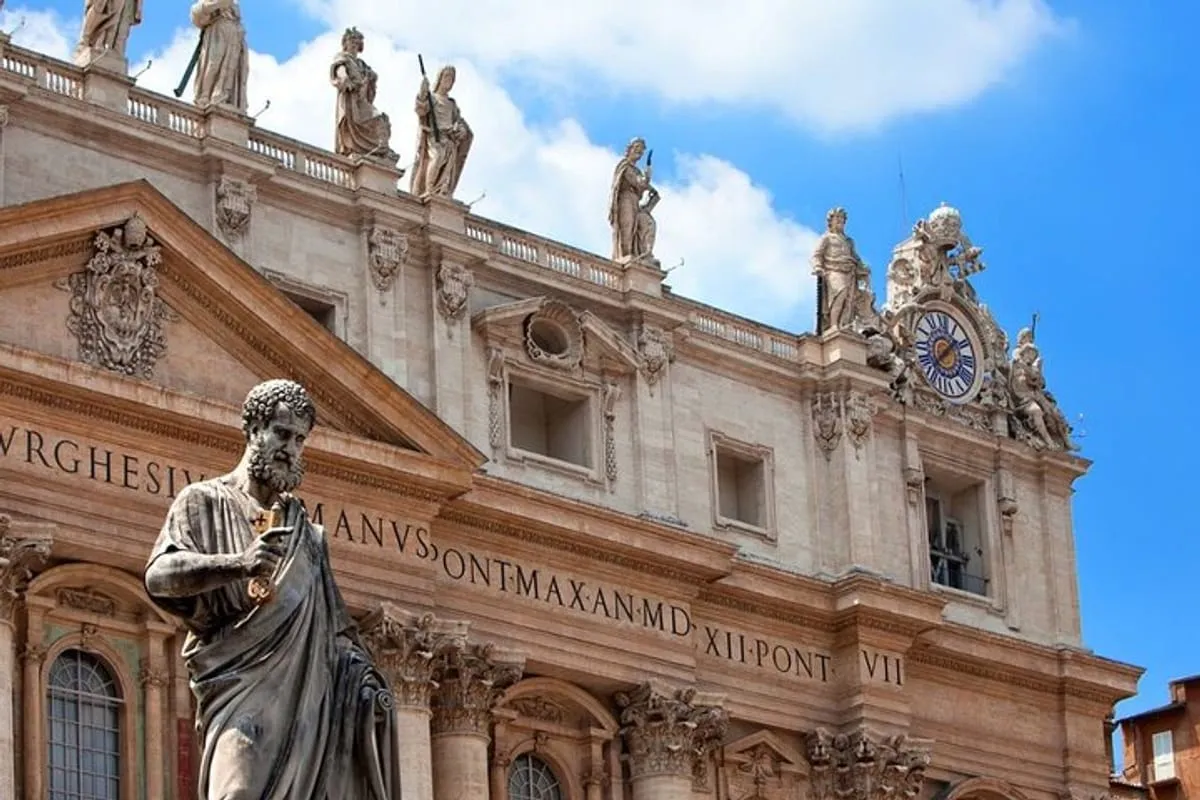
Digital technology, including 3D mapping, virtual tours, and augmented reality apps, allows global audiences to experience the museums remotely.
These initiatives complement traditional preservation, education, and tourism strategies.
Vatican Museums in Popular Culture
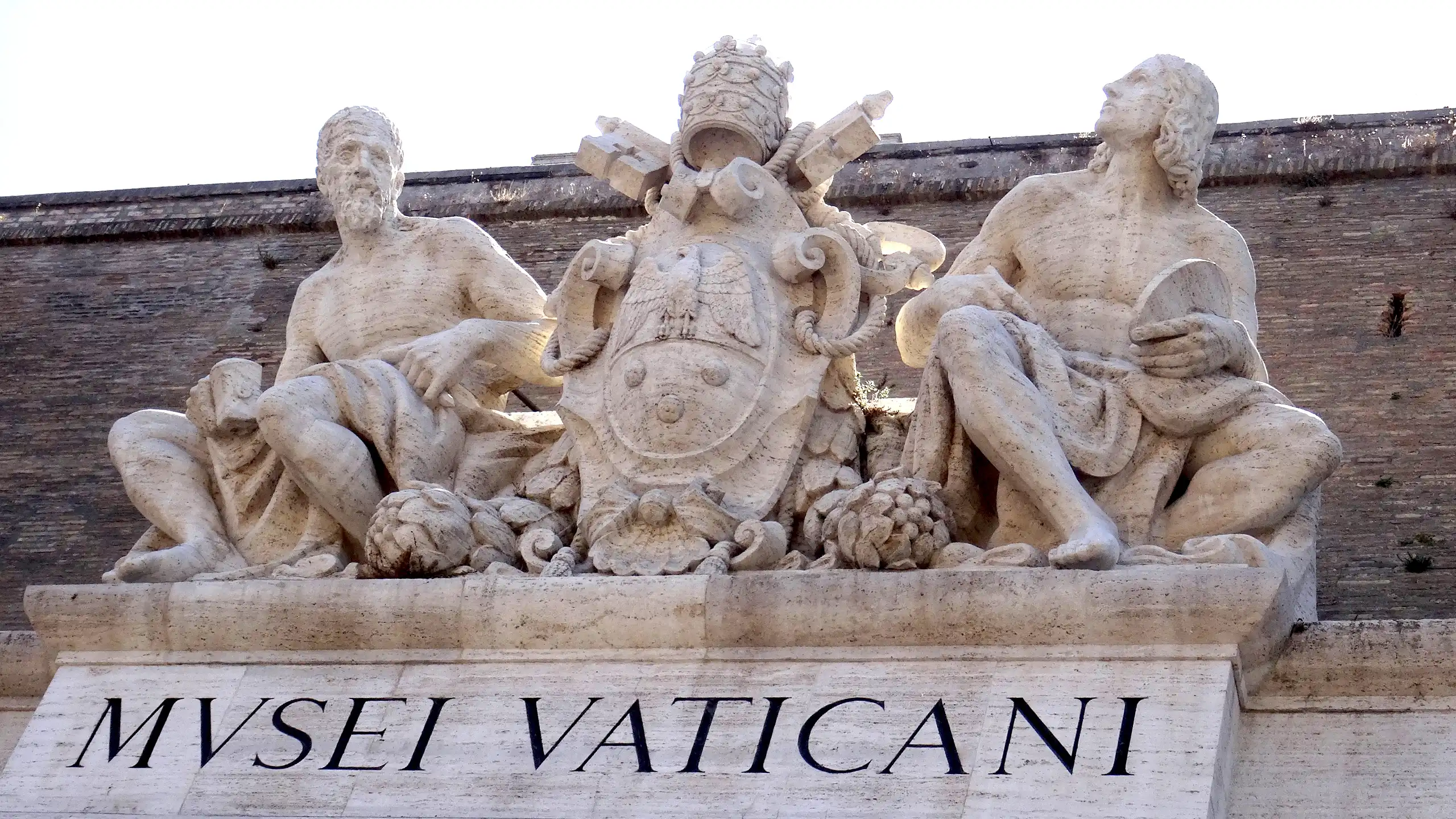
The museums have inspired countless films, documentaries, and scholarly works, showcasing the universality of their art and history.
They continue to influence artists, historians, and travelers worldwide.
References & Resources
For further reading, explore books, academic articles, and official Vatican websites covering the history and collections of the museums.
These resources provide detailed insight into art, architecture, and papal patronage.
Table of Contents
Origins & Early Papal Collections
The Vatican’s collection began with ancient Roman sculptures collected by Popes in the 15th century, forming the nucleus of what would become the Vatican Museums.
These early acquisitions reflected the Church’s interest in classical antiquity and the Renaissance rediscovery of art and humanism.
Pope Julius II & the Beginning of the Museums
In 1506, Pope Julius II purchased the Laocoön and His Sons sculpture, marking the official start of the Vatican Museums.
He commissioned rooms and galleries to display art publicly for the first time, setting a precedent for papal patronage.
Renaissance Expansion & Michelangelo
During the 16th century, the Vatican Museums expanded with commissions from Renaissance masters, including Michelangelo, whose ceiling frescoes became iconic.
Michelangelo’s work combined artistic innovation with spiritual symbolism, defining the Vatican’s global artistic reputation.
Raphael Rooms & Artistic Flourishing
Raphael and his workshop decorated the papal apartments, creating masterpieces like The School of Athens.
These rooms exemplified Renaissance ideals, combining philosophy, art, and theology in a harmonious visual narrative.
Baroque and Modern Additions
The museums grew over the centuries, adding Baroque galleries, modern religious art, and archaeological collections.
Papal commissions ensured continuous expansion and preservation of diverse artistic styles.
The Sistine Chapel Ceiling
Michelangelo painted the Sistine Chapel ceiling between 1508–1512, depicting scenes from Genesis with unparalleled artistic mastery.
The ceiling remains a central attraction, drawing millions of visitors annually.
Napoleonic Era & Preservation Challenges
During Napoleon’s invasion, some artworks were looted, and the Vatican faced significant challenges in preserving its collection.
Restoration and repatriation efforts in the 19th century ensured the integrity of the museums.
19th-Century Restoration Efforts
The 19th century saw systematic cataloging, restoration, and architectural improvements to accommodate growing collections.
The museums opened to increasing numbers of visitors, transitioning into a modern cultural institution.
20th-Century Expansion
The 20th century brought new galleries, updated display techniques, and enhanced visitor services.
Key additions included ethnographic collections, Etruscan and Egyptian galleries, and educational programs.
Visitor Experience Evolution
Visitor experience evolved with audio guides, signage, and organized tours, balancing accessibility with preservation.
Crowd management strategies were implemented to protect artworks and improve visitor flow.
Digital Preservation & Modern Technology
Digital technology, including 3D mapping, virtual tours, and augmented reality apps, allows global audiences to experience the museums remotely.
These initiatives complement traditional preservation, education, and tourism strategies.
Vatican Museums in Popular Culture
The museums have inspired countless films, documentaries, and scholarly works, showcasing the universality of their art and history.
They continue to influence artists, historians, and travelers worldwide.
References & Resources
For further reading, explore books, academic articles, and official Vatican websites covering the history and collections of the museums.
These resources provide detailed insight into art, architecture, and papal patronage.